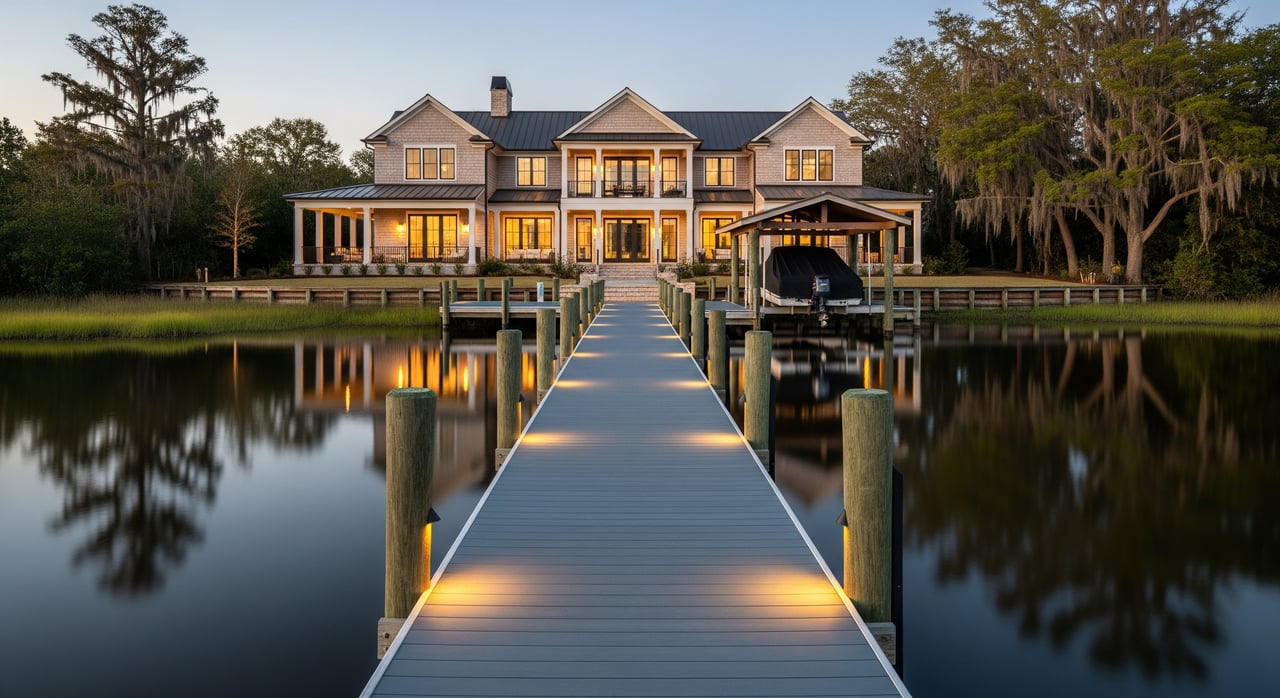
Thinking about listing your luxury lake or coastal home in South Carolina? You know the view and water access are priceless, yet pricing and preparation can feel complicated. Buyers expect turnkey condition and clear documentation, especially around docks, flood zones, and insurance. This guide walks you through what matters most so you can list with confidence and maximize your outcome. Let’s dive in.
Why waterfront luxury is different
Waterfront homes often sit in the top 5–10% of local prices, which makes comparable sales limited and valuations nuanced. Your dock, shoreline, views, lot privacy, and recent high-end upgrades can shift pricing far more than in non-waterfront areas. Time on market can be longer because the buyer pool is smaller, but the right preparation and marketing can compress that timeline.
Know your buyer pool
Coastal buyer profile
Coastal luxury markets in South Carolina attract second-home buyers, retirees, out-of-state relocators, and seasonal residents. These buyers value water and beach access, unobstructed views, resilient construction, and proximity to marinas, golf, and dining. They also look closely at flood risk, wind protection, and insurance.
Lake buyer profile
Lakes such as Lake Murray, Keowee, Hartwell, and Marion draw primary-home buyers near metro hubs, retirees, and weekend boaters. They prize private docks and easy navigation, strong mechanical systems, and low-maintenance outdoor living. Many preview remotely and want clear documentation before they travel.
Columbia advantage for Lake Murray
If you live in or near 29201, you have a proximity advantage for Lake Murray. Your buyer pool includes local professionals, move-up buyers, and investors who know the lake and its amenities. For coastal listings, plan for regional and national outreach to reach out-of-area buyers.
Prepare the property right
Inspections that matter
- General pre-listing home inspection to surface issues early.
- Structural or engineer review if the foundation, pilings, or seawall raise questions.
- Dock, seawall, and boat-lift inspection by a qualified marine contractor.
- Pest/termite (WDI) inspection, plus roof and HVAC checks with service records.
- Septic inspection or well-water testing if applicable.
Documentation to assemble
- Elevation certificate if the home is in or near a flood zone.
- Copies of prior flood policies and claims history.
- Current survey showing shoreline and mean high/low water lines where relevant.
- Permits for docks, seawalls, and major renovations, plus any pier or foreshore leases.
Smart repair priorities
- Address dock and seawall safety, rot, corrosion, and lift function.
- Service or replace corrosion-prone systems such as exposed metal fasteners and pool equipment.
- Refresh high-impact spaces and outdoor living areas to present a turnkey lifestyle.
Navigate flood, title, and permits
Flood zones and elevation
Confirm the property’s flood zone status and secure an elevation certificate where applicable. Lenders and insurers rely on this to estimate risk and premiums. Having it upfront can speed underwriting and reduce buyer uncertainty.
Riparian rights and access
Waterfront rights are guided by state riparian law and local rules. Verify any easements, deed restrictions, HOA covenants, or public access rights that affect the shoreline, dock, or boat access. Clear disclosure builds trust and prevents late-stage surprises.
Survey and permits
Order a current survey and confirm all dock or seawall permits. Identify encroachments or exceptions related to shoreline features. If permits are grandfathered, gather documentation that shows status and any maintenance obligations.
Price with precision
Value drivers to quantify
- Water frontage and whether the shoreline is private or shared.
- Dock type, condition, boat-lift capacity, and navigation depth.
- Elevation and any flood-mitigation features, including an elevation certificate.
- Quality of recent renovations and systems upgrades.
- Structural resilience such as impact-rated windows and elevated foundations.
- HOA dues and any short-term rental rules, if applicable.
Valuation approach
Because comps are scarce, use multiple data points. Consider broader geographic comps with qualitative adjustments, a broker opinion for similar waterfront assets, and replacement-cost analysis for custom builds. Pre-listing inspections help justify your asking price.
Timing and seasonality
Coastal demand often peaks with snowbirds in fall and winter, and with in-state travel in summer. Lake markets near metros can be steadier, though waterfront inventory still moves on a longer cycle. Plan sufficient exposure time and align your launch with seasonal interest.
Market where buyers look
Visual assets that sell
- Professional photography including interiors, exteriors, twilight, and waterline angles.
- Drone aerials to show lot lines, shoreline, dock, and access to open water.
- High-resolution video that highlights boating, sunsets, and nearby amenities.
- 3D tours and floor plans so remote buyers can preview with confidence.
- A dedicated property microsite with downloadable documents for easy review.
Channels and outreach
List on the MLS with targeted remarks about water features, dock details, and elevation documentation. Use brokerage-affiliated luxury networks and regional print selectively for added reach. Target social and email campaigns to feeder markets such as Atlanta, Charlotte, the Northeast, and Florida.
Presentation and negotiation
Provide a data packet to buyer agents that includes inspections, surveys, elevation documents, and vetted comps. This approach shortens due diligence and strengthens your price position. Consider time-bound incentives, such as a credit for dock maintenance, only when needed to preserve value.
Reduce contingency risk
- Financing: share recent insurance quotes and an elevation certificate to help lenders underwrite quickly.
- Inspection: pre-listing reports reduce renegotiations and keep momentum.
- Appraisal: robust comps and a clear value story support your contract price.
- Title and dock: early clarity on riparian rights, permits, and any easements prevents last-minute delays.
Your pre-listing checklist
- Order a current survey and shoreline delineation.
- Obtain an elevation certificate if in or near a flood zone.
- Complete pre-listing inspections: general, dock/seawall, structural, WDI, and septic/well if needed.
- Compile permits and resolve known title or easement issues.
- Service HVAC, pool, and generator; address corrosion and routine maintenance.
- Make targeted repairs or disclose items with a clear credit strategy.
- Hire a pro photographer, drone pilot, and videographer.
- Build a property microsite and a comprehensive marketing packet.
- Gather insurance quotes and prior claims history.
- Plan staging and curb appeal improvements.
Build the right team
- Listing broker with waterfront and luxury experience.
- Marine contractor or structural engineer for seawall and dock assessments.
- Surveyor experienced with shoreline delineation.
- Insurance broker versed in flood and wind coverage.
- Title attorney familiar with riparian and foreshore issues.
- CPA or tax advisor for capital gains, 1031 exchanges, and non-resident questions.
- Professional stager and high-end visual media team.
Next steps
If you own a luxury home on Lake Murray or along the South Carolina coast, the right preparation and marketing can unlock premium outcomes. You need a specialist who blends data-driven pricing with premium exposure and a strong regional network. We will help you assemble the right team, package your documents, and launch to qualified buyers.
Ready to list with confidence? Schedule a call with Levi Bennett to map your strategy and timeline.
FAQs
How is “luxury” defined for SC waterfront homes?
- In practice, luxury refers to roughly the top 5–10% of local sale prices, with premiums for views, private docks, lot size, and turnkey finishes.
Which buyers are most likely to purchase my coastal home?
- Many coastal buyers are second-home owners, retirees, or out-of-area relocators who value access, views, resilient construction, and proximity to amenities.
Do I need an elevation certificate before listing a lake or coastal home?
- It is strongly recommended if the property is in or near a flood zone, because it helps buyers and lenders estimate flood insurance costs.
What inspections are most important for docks and seawalls?
- A marine contractor or engineer should inspect the dock, seawall, and boat lift, supported by a general home inspection and WDI report.
How should I approach pricing when there are few comparable sales?
- Use a blended method with adjusted comps across a wider area, replacement-cost analysis, and qualitative adjustments for water access, dock, and upgrades.
How do flood and wind risks affect offers on waterfront homes?
- They influence financing and insurance availability; providing elevation documents, quotes, and inspection data up front expands your buyer pool.
What marketing tactics work best for a remote buyer audience?
- High-end photography, drone, lifestyle video, 3D tours, and a document-rich property microsite help remote buyers act with confidence.
What closing costs or logistics are unique to waterfront properties?
- You may have costs tied to dock or seawall permits, title endorsements for riparian issues, and documentation transfers; your closing team will guide specifics.