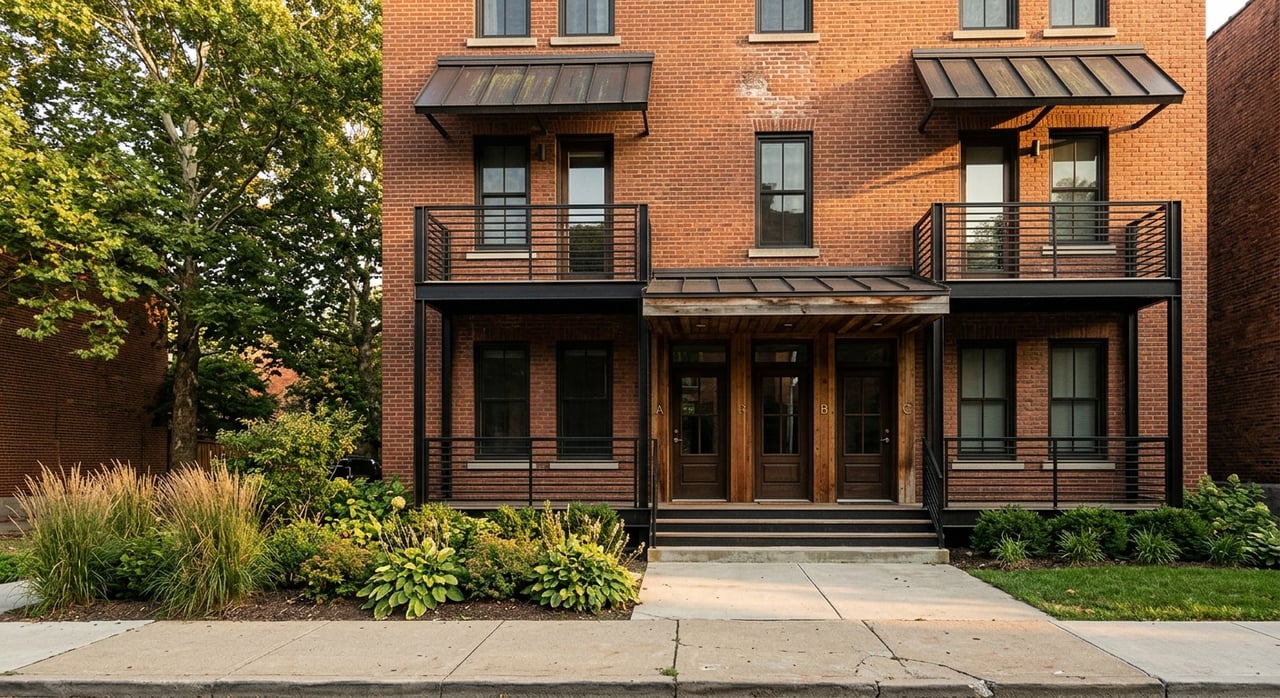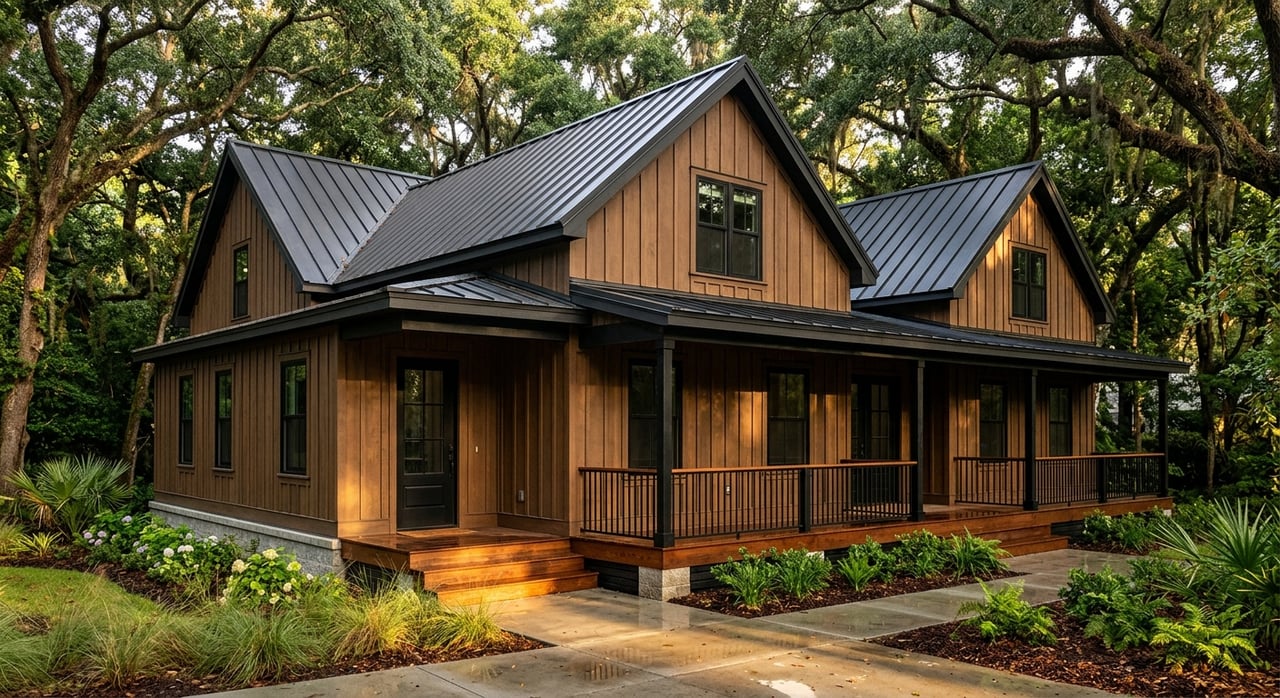
Buying a short-term rental in Clay County can look straightforward until the insurance numbers hit your spreadsheet. In Florida, insurance is not a small closing detail you clean up later. It is a core underwriting input that can change whether a deal still works after taxes, storm risk, and renewal costs are fully modeled. If you are evaluating a property in 32003, this guide will help you pressure-test the numbers before you commit. Let’s dive in.
Why insurance drives Florida STR underwriting
If you are underwriting a Florida short-term rental, insurance needs to sit near the top of the model, not near the bottom. The current market is more stable than many buyers assume, but pricing can still swing significantly based on the property itself.
According to the Florida Office of Insurance Regulation July 2025 Property Insurance Stability Report, voluntary insurers wrote 89.83% of homeowners policies and 92.81% of condominium unit-owner policies statewide. The same report notes that risk-adjusted reinsurance costs fell 1.70% in 2024, with preliminary 2025 data pointing to flat costs on average.
That is helpful context, but it does not mean every STR in Clay County will quote the same way. Florida’s insurance pricing can vary materially based on location, construction type, dwelling value, mitigation features, and deductible, which means your actual quote may differ sharply from county averages.
What Clay County premiums suggest
For Clay County, OIR reported average premiums as of March 31, 2025 at $2,503 for homeowners policies including wind and $1,396 excluding wind. For condominium unit-owner policies, the averages were $951 including wind and $510 excluding wind.
Those numbers matter for two reasons. First, they show that wind coverage is a meaningful cost driver even in an inland county like Clay. Second, they suggest Clay County can be more manageable than some storm-exposed Florida counties, but it is still not a low-cost insurance market.
For comparison, the same OIR report shows much higher average premiums in counties such as Nassau and Monroe. That spread helps explain why yield margins on more storm-exposed assets usually need to be tighter from day one.
Know the Clay County STR rules first
Before you underwrite revenue, make sure the property can legally operate the way you expect. Clay County states that Florida treats vacation rentals as transient public lodging establishments, generally covering properties rented more than three times in a calendar year for periods of less than 30 days, or properties advertised as regularly rented to guests.
Clay County also notes that the Town of Orange Park and the City of Green Cove Springs have their own short-term vacation rental rules. That means the exact address matters. A property that looks STR-ready on paper may have different local requirements depending on where it sits.
This is one of the easiest underwriting mistakes to avoid. Do not assume county-level guidance tells the whole story if the property falls inside a municipality with separate regulations.
Model the full Florida tax stack
A Florida STR deal can look profitable until taxes are taken out correctly. For transient rentals, the tax load is not optional and should be reserved before you estimate your true net income.
Based on Florida Department of Revenue guidance, transient rentals are subject to a 6% state sales tax, plus local taxes. In Clay County, the local option transient rental tax is 5.0% and the discretionary sales surtax is 1.5%, creating a total 12.5% tax stack on gross transient-room revenue.
If you skip this line item or understate it, your pro forma can look healthier than the real asset will perform. For most investors, that makes tax collection one of the first deductions to hard-code into the model.
Flood is a separate risk line
Many buyers focus on the main property policy and forget that flood coverage is usually separate. That is a major miss in Florida underwriting.
Clay County participates in the National Flood Insurance Program, and the county requires floodplain permits for development in Special Flood Hazard Areas. FEMA also states that most homeowners insurance does not cover flood damage, and NFIP policies generally carry a 30-day waiting period.
For you, the takeaway is simple. If the property has any flood exposure, flood insurance should be quoted early, modeled separately, and never treated as an afterthought at closing.
Property type changes the risk profile
Not all STRs carry the same insurance risk. In Clay County and similar Florida markets, the difference between a condo and an inland detached property can materially change your underwriting assumptions.
Condo underwriting has extra layers
A condo can appear simpler to own because exterior maintenance is often shared. But from an underwriting standpoint, condos come with a split insurance structure that you need to understand clearly.
Florida consumer guidance explains that an HO-6 policy typically covers personal property, some interior building items, and liability. At the same time, Florida law does not require the association’s master policy to cover certain interior items such as flooring, wall and ceiling coverings, electrical fixtures, appliances, built-ins, and window treatments.
That gap matters if there is a storm loss. The same Florida guidance says condo associations may assess unit owners for damage to common areas if the master policy does not cover the loss or if the association lacks reserves. While an HO-6 policy must include at least $2,000 in loss-assessment coverage with a deductible no greater than $250, that amount may be far below a major assessment after a significant event.
Condo compliance can affect costs
Florida has also tightened condo oversight in recent years. According to the Florida DFS property insurance changes overview, buildings of three stories or higher must undergo milestone inspections at 30 years of age, or at 25 years if near a coastline, and 2025 changes strengthened reserve and appraisal requirements for condominium associations.
For underwriting, this means a condo buyer should model more than the HOA fee alone. You also want to review reserve status, inspection compliance, and the possibility of capital calls or special assessments.
Inland detached STRs can be cleaner to model
If the property will be rented to others, Florida consumer guidance points investors toward landlord-style dwelling coverage, commonly DP-1 or DP-3, rather than a standard owner-occupied homeowners policy. For many inland detached homes and small multifamily assets, that can make the insurance structure more straightforward than a condo.
That does not mean risk disappears. Roof condition, liability exposure, wind coverage, deductible structure, and mitigation features still need close review.
Wind mitigation can improve the picture
One of the most useful underwriting checks in Florida is a wind-mitigation review. The state’s CHOICES homeowners tool notes that a hip roof is less susceptible to wind damage and can qualify for better pricing, while verified mitigation features are needed to obtain discounts.
For you, that means roof shape and mitigation documentation are not minor details. They can directly affect premium pricing and should be reviewed during due diligence, especially for inland houses and small multifamily properties.
Stress-test the deal before you close
A Florida STR should not be underwritten to the opening quote alone. The better question is whether the property still clears your target yield if a few insurance and storm-related costs move against you.
A practical stress test should include the following:
- Insurance renewal shock based on a materially higher premium than the opening quote
- Hurricane deductible review and confirmation of any separate roof deductible
- Flood premium modeling as a separate policy cost
- Storm reserve planning for deductibles, vacancy, or recovery delays
- Condo assessment exposure if the property is in an association
- Closing timing risk if your bind date is close to active storm alerts
Florida allows a separate roof deductible up to 2% of Coverage A or 50% of roof replacement cost, whichever is lower, and insurers must offer a premium credit or discount when that option is selected, according to the Florida DFS update on property insurance changes. That can help pricing, but it may also increase your out-of-pocket exposure after a claim.
Do not leave insurance until the week of closing
In Florida, timing matters more than many buyers realize. State consumer guidance says insurers cannot issue new or additional coverage once a tropical storm or hurricane watch or warning has been issued for any area in the state.
That creates a very practical closing risk. If you wait too long to finalize quotes and bind coverage, a weather event elsewhere in Florida could disrupt your closing timeline.
For an STR purchase in 32003, it is smart to start the insurance process early and treat binding coverage as a milestone, not a last-minute task.
Your due diligence checklist for a 32003 STR
If you want cleaner underwriting, gather the documents that actually move the risk analysis. A short-term rental buyer in Clay County should try to confirm the following before the inspection period ends:
- Current insurance declarations
- Roof age and any wind-mitigation report
- Flood zone information and a flood insurance quote
- Proposed deductible structure, including hurricane and roof deductibles
- HOA or COA master policy, reserve status, and inspection history if the asset is a condo
- The exact local licensing and vacation-rental requirements for the property address
This is where disciplined underwriting pays off. When you verify these items early, you reduce the odds of discovering a deal-breaking cost after you are already under contract.
Bottom line for Clay County STR buyers
In Clay County, the right short-term rental can still work, especially if you are looking at a well-mitigated inland house or small multifamily property. But the deal only pencils if you fully normalize insurance, flood, taxes, and storm reserves instead of treating them as edge cases.
That is the real underwriting test in this market: can the property still hit your target yield after the full risk stack is priced in? If you want help sourcing, underwriting, and negotiating an STR or investment property with those numbers in mind, connect with Levi Bennett for a data-driven acquisition strategy.
FAQs
What taxes should you budget for a short-term rental in Clay County, Florida?
- You should model a total 12.5% tax stack on gross transient-room revenue, based on 6% state sales tax, 5.0% local option transient rental tax, and 1.5% discretionary sales surtax.
What are average insurance premiums in Clay County for Florida STR underwriting?
- As of March 31, 2025, OIR reported Clay County averages of $2,503 for homeowners including wind, $1,396 excluding wind, $951 for condo unit-owner policies including wind, and $510 excluding wind.
Does a Florida homeowners policy usually cover flood damage for a Clay County rental property?
- No. FEMA states that most homeowners insurance does not cover flood damage, so flood insurance usually needs to be purchased as a separate policy.
Why do Florida condo STRs need different underwriting than detached homes?
- Condo underwriting involves both the unit-owner policy and the association’s master policy, plus potential special-assessment exposure, reserve issues, and building compliance requirements that do not apply the same way to most detached properties.
When should you bind insurance for a Florida STR purchase in 32003?
- You should start early and aim to bind well before closing, because insurers cannot issue new or additional coverage once a tropical storm or hurricane watch or warning is active anywhere in Florida.