If you want reliable income from North Carolina’s mountains, a well-built cabin portfolio in 28607 can deliver. Boone’s year-round pull, from Appalachian State events to ski season and summer hiking, creates steady demand with strong seasonal peaks. In this guide, you’ll learn how to choose the right cabins, set the right amenities, diversify by elevation and niche, plan operating costs, and clear permits and taxes before you buy. Let’s dive in.
Why 28607 cabins work
Boone and the High Country attract visitors for university life, ski areas, Grandfather Mountain, and the Blue Ridge Parkway. That mix brings leisure travelers in winter, summer, and fall, plus steady year-round traffic tied to Appalachian State. You can confirm these core demand drivers with the local tourism authority’s overview of the destination. See the regional draw through the Boone and Watauga Tourism Development Authority’s profile on Explore Boone.
Local tax rules matter for your underwriting. North Carolina charges state sales and use tax on accommodations, and High Country bookings are also subject to local occupancy taxes. For 28607, the N.C. Department of Revenue lists the county portion of local sales tax at 2.00 percent, which combines with the state rate for your total sales tax on lodging. Use the NCDOR sales and use tax rates page to confirm current rates.
You also need to plan for occupancy taxes. Watauga County District U and the Town of Boone each levy a 6 percent occupancy tax program, and which one applies depends on your parcel’s jurisdiction. The local tourism authority explains these programs on Explore Boone. Always confirm whether your booking platform collects or remits taxes for your address, since you are responsible for proper registration and payments.
To sense seasonality and recent trends, review Watauga TDA minutes. Board reporting shows month-to-month swings tied to weather and events, which helps set expectations for cash flow and reserves. You can scan recent patterns in the Watauga County TDA minutes.
Market snapshots for Boone show a short-term rental landscape dominated by entire-home cabins and houses. Rates are strong and occupancy is moderate relative to urban markets, with notable peaks during holidays, ski season, and fall foliage. For quick directional benchmarks on ADR and occupancy, review the free AirROI Boone snapshot, then subscribe to a paid data provider for underwriting precision.
What to buy: product and amenities
Cabin types and bedroom counts
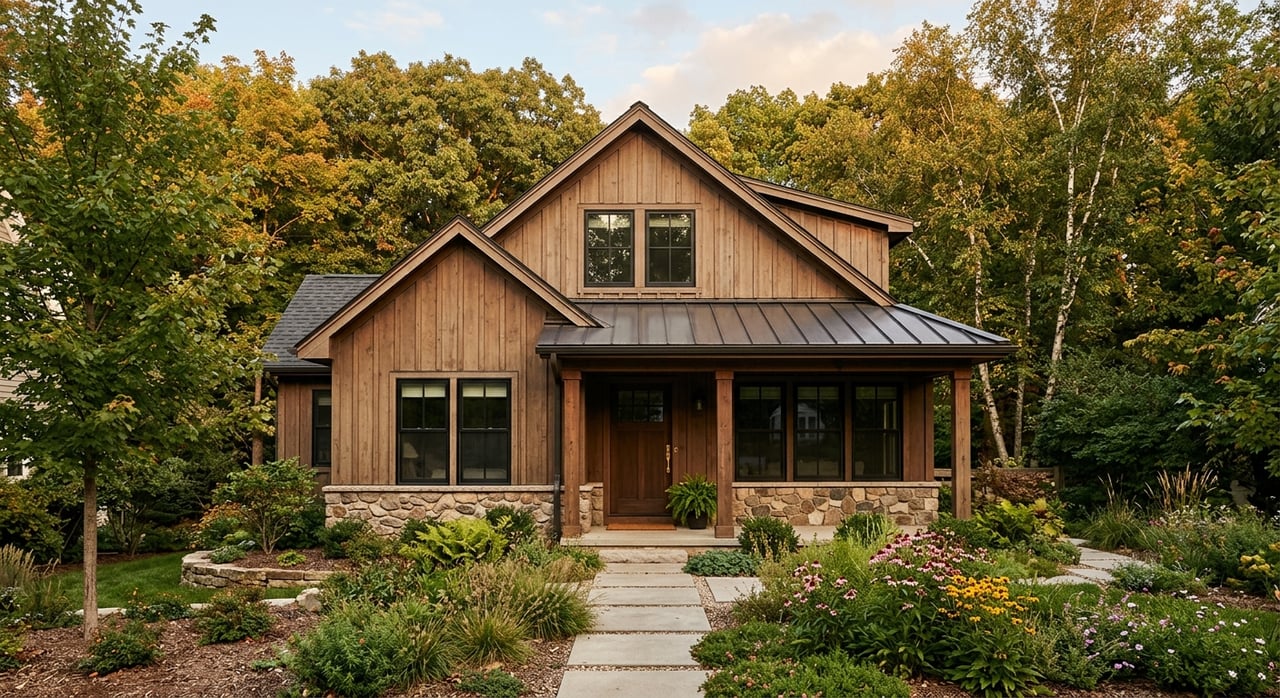
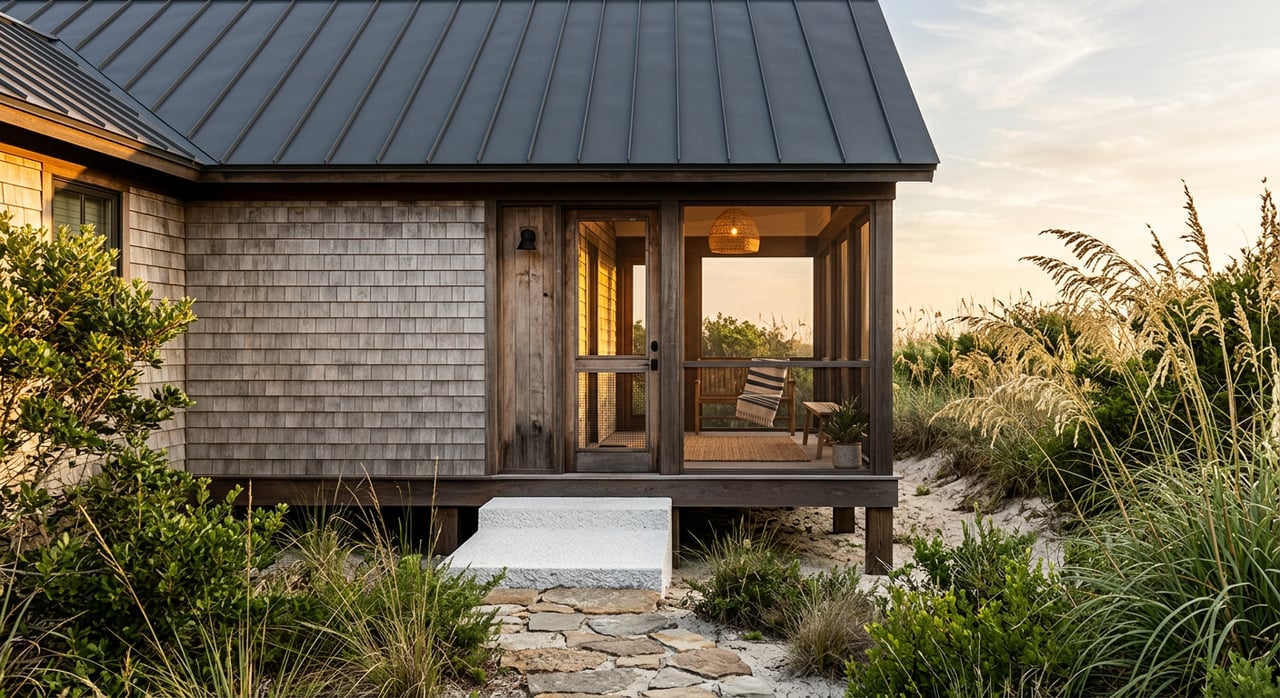
- Small or romantic cabins (1–2 bedrooms). Lower acquisition cost, steady utilization by couples and short stays, easier to maintain. These can stabilize cash flow, especially near town or trailheads.
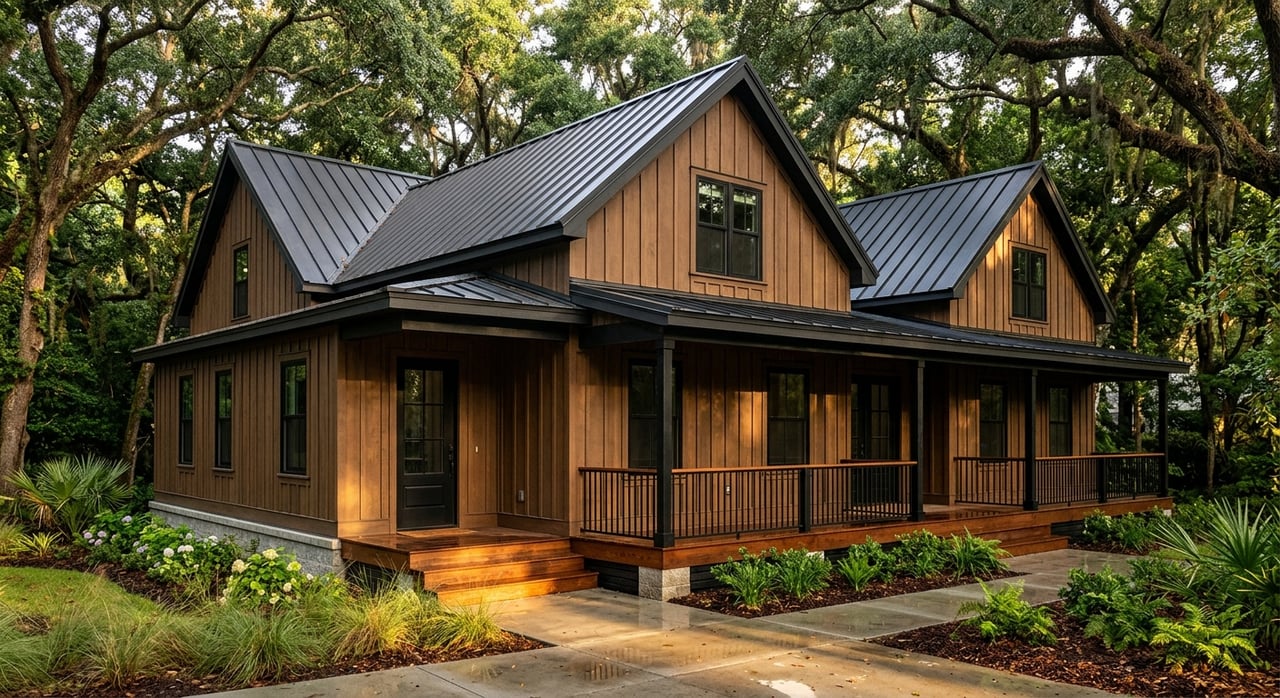
- Family cabins (2–3 bedrooms). The local workhorse for families, small groups, and ski trips. Often the best balance between purchase price and gross revenue.
- Group cabins or lodges (4+ bedrooms). Higher cost and heavier maintenance, but they deliver outsized nightly rates for holidays, game weekends, and group travel.
- Multi-unit or accessory dwellings. Some parcels allow secondary units that can be rented separately. The Town of Boone permits accessory rentals under specific rules. Confirm definitions, bedroom limits, and permit steps on the Town of Boone STR page.
Bedroom count maps to demand in a predictable way. One to two bedrooms target couples, remote workers, and small families. Three bedrooms capture the broadest market. Four or more bedrooms focus on group bookings and premium rates, but require bigger CapEx reserves.
Amenities that move revenue
A strong baseline includes reliable high-speed internet, a quality kitchen, and solid heating with a clean, modern interior. In mountain markets, high-impact add-ons like a private hot tub, outdoor fire pit or fireplace, a mountain-view deck, and dedicated parking can boost both bookings and nightly rate. Industry reporting shows that properties with hot tubs often earn a meaningful premium. Vacasa notes that homes with hot tubs typically make around 15 to 20 percent more than comparable homes without one, based on manager portfolio data. See the amenity ROI perspective in Vacasa’s homeowner guide.
Differentiators that can justify a higher rate include a hot-tub and view combination, generous outdoor living areas, EV charging, pet-friendly policies with a clear fee, and upgraded finishes in higher-tier cabins.
Cost and maintenance tradeoffs
Hot tubs and fire features require routine care, water balancing, and safety protocols. They can also increase liability exposure and insurance needs. Budget for maintenance plans, proactive replacements, and appropriate insurance endorsements. For an STR insurance primer with amenity liability considerations, review this short-term rental insurance guide.
Portfolio strategy for the High Country
Diversify by elevation and niche
Seasonality varies with elevation. Higher-elevation areas near ski resorts tend to outperform in winter, while lower elevations and in-town locations often hold stronger in summer and shoulder seasons. That means a mix across Boone’s elevation and nearby ski towns can smooth your cash flow. For context, Boone sits near 3,333 feet while Beech Mountain reaches about 5,506 feet. See elevation context in the Watauga County overview.
Sample three-cabin mix
- One 2-bedroom near Boone or Valle Crucis for dependable year-round bookings tied to events and quick weekend trips.
- One 3-bedroom at mid-elevation with a view to anchor shoulder seasons.
- One 4-bedroom cabin near a ski area to capture winter ADR spikes, paired with larger CapEx reserves.
If you prefer higher turnover with simpler operations, tilt toward two 1–2 bedroom cabins near town plus one larger cabin for peak weekends and holidays.
Portfolio KPIs to track
- Gross rental revenue by month, ADR, occupancy, and RevPAR.
- Operating expense ratio and cleaning or turnover cost per stay.
- CapEx reserve targets by asset, especially if you have hot tubs or extensive decking.
- Net operating income per property, rolled up into a portfolio view.
Operating models and budget
Choose your management path
- Self-managed. You control pricing, messaging, turnovers, and vendor scheduling. You keep more net income but carry 24/7 responsibilities.
- Full-service property manager. You outsource dynamic pricing, guest support, cleaning teams, and sometimes tax remittance and compliance help. Compare what is included and what is an add-on.
- Hybrid or co-host model. You handle pricing and guest communications while outsourcing cleaning and maintenance. This is a good bridge as you scale.
Model revenue, costs, and break-even
Build a simple monthly P&L with realistic seasonality. Include platform fees, cleaning (often passed to the guest), utilities, insurance, property taxes, sales and occupancy taxes, routine maintenance, CapEx reserves, and debt service. The question is whether a professional manager’s incremental revenue and lower vacancy outweigh the fee and the value of your time. When possible, ask established local managers for sample net statements on comparable cabins for a reality check.
Line items easy to miss in the mountains
- Snow removal or plow contracts, especially for steeper driveways.
- Septic pumping schedules, well maintenance, and water testing.
- Driveway maintenance and clear parking that meets local rules.
- Amenity maintenance and replacements for hot tubs and fire features.
Regulations and due diligence in 28607
Know your jurisdiction and permits
Your first step is to confirm if a parcel sits inside the Town of Boone or in unincorporated Watauga County. Zoning overlays and permit requirements differ. The Town of Boone requires a zoning permit and an annual short-term rental permit. Homestays and vacation rentals have distinct definitions and guest or bedroom limits, and you must post your permit number on advertisements and at the property. Start with the Town of Boone STR resource and verify your parcel in GIS before you offer.
Taxes and registrations
Register for sales and use tax with the state and register for the correct occupancy tax program based on your parcel. Watauga County District U and the Town of Boone each levy a 6 percent occupancy tax. Use the NCDOR rates reference for state and local sales tax details and the Explore Boone TDA page for occupancy tax program context. Clarify which taxes your booking platform may collect and what you must remit directly.
Property-level checks
- Septic and well capacity. Confirm Environmental Health approvals for the bedroom count you plan to advertise, and gather perc test or design documents.
- Access and winter logistics. Verify legal access, driveway grade, and a realistic plow plan. Limited winter access can depress occupancy and reviews.
- Parking compliance. Many rules tie parking minimums to bedrooms. Confirm on-site parking meets requirements noted by the Town of Boone.
HOA rules and insurance
Review recorded CC&Rs for any rental restrictions or caps and request HOA meeting minutes for recent enforcement actions. For a high-level overview of how North Carolina HOAs regulate rentals, see the Homeowners Protection Bureau’s NC summary. Pair that with STR insurance quotes that include endorsements for hot tubs and fireplaces and consider higher liability limits if you offer those amenities.
Financing and underwriting
Investors commonly pair conventional second-home or investment loans with specialty DSCR financing as portfolios grow. DSCR lenders focus on property cash flow rather than W-2 income, and typical thresholds cluster around a DSCR of roughly 1.1 to 1.25 or higher, depending on terms. Review examples and typical structures in this DSCR loan guide, and run sensitivity cases on ADR, occupancy, and expense creep before you commit.
For cash flow modeling, build seasonal revenue by month, include all operating expenses and reserves, and pressure-test shoulder-season occupancy to confirm you can cover fixed costs. When comparing financing options, evaluate points, prepayment flexibility, and how quickly you can recycle capital across multiple acquisitions.
Practical next steps
- Confirm jurisdiction and zoning. Check whether a target property is inside the Town of Boone and review permit steps and annual renewals using the Town of Boone STR guide.
- Pull septic and well records. Request Environmental Health files and recent maintenance to validate your planned bedroom count.
- Validate revenue with third-party data. Ask sellers for 12 to 24 months of host P&Ls and compare to the AirROI Boone benchmarks. Subscribe to a paid data provider for underwriting.
- Review HOA documents. Read CC&Rs and recent minutes and compare them to the HOPB NC overview for context.
- Get operating quotes. Secure property manager proposals with comps, STR insurance quotes that include amenity endorsements, and a snow-removal plan.
Ready to build a durable High Country portfolio or tune your underwriting on a specific parcel? Schedule a strategy call with Levi Bennett to map your targets, stress-test revenue, and line up local vendors before you write an offer.
FAQs
What makes Boone’s 28607 strong for cabin rentals?
- Year-round demand from Appalachian State, nearby ski areas, Grandfather Mountain, and Blue Ridge Parkway access supports steady bookings with strong seasonal peaks, as outlined by Explore Boone.
Do I need a permit to run a short-term rental in the Town of Boone?
- Yes. The Town of Boone requires a zoning permit and an annual STR permit, with specific rules for homestays and vacation rentals and a requirement to post your permit number. See details on the Town of Boone STR page.
Which taxes apply to my bookings in 28607?
- Expect state and local sales tax on accommodations and a 6 percent occupancy tax administered by either Watauga County District U or the Town of Boone, depending on your parcel. Confirm current rates with NCDOR and program scope on Explore Boone.
Are hot tubs worth adding to a High Country cabin?
- Often yes. Manager data show homes with hot tubs can earn a material ADR premium, with Vacasa citing around 15 to 20 percent higher revenue in comparable markets. See the amenity analysis in Vacasa’s guide.
How should I plan for winter access and guest safety?
- Budget for a priority snow-removal contract, confirm safe driveway grades, provide clear parking, and stock ice melt and shovels. If you offer a hot tub or fireplaces, maintain strict safety and maintenance protocols and carry appropriate STR insurance with amenity endorsements.