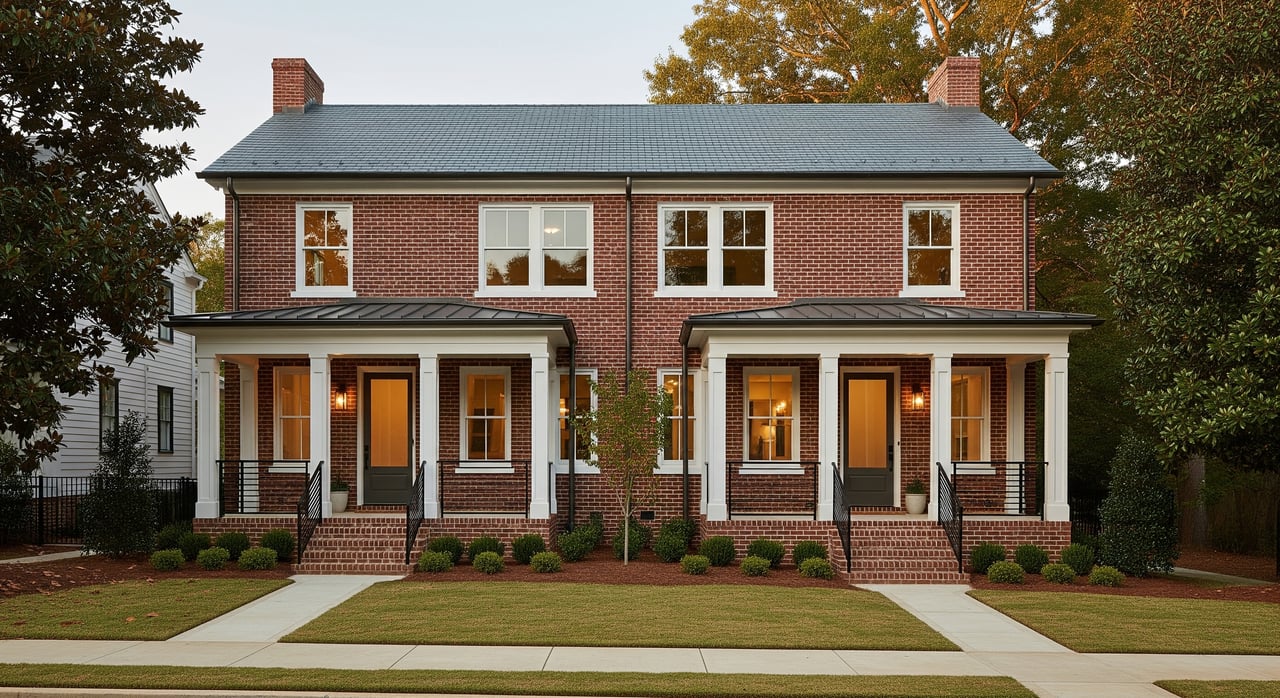
What if your next home could help pay for itself? In Greensboro’s 27407, house hacking a duplex lets you live in one unit while a renter helps cover the mortgage. If you are curious but unsure about financing, local rules, and how to run the numbers, you are not alone. This guide walks you through the Triad-specific steps, from loan options and zoning checks to underwriting, inspections, and operations. Let’s dive in.
Why 27407 works for house hacking
Greensboro sits at the heart of the Triad, with nearby Winston-Salem and High Point creating multiple employment hubs. University and medical centers, manufacturing and logistics, and downtown employment nodes support consistent renter demand. Student and young professional renters often seek well-located two-bedroom units, which aligns with many duplex layouts. Neighborhood performance can shift block by block, so pair broad market context with hyperlocal research.
When you analyze a duplex in 27407, look at sales history and assessed values in county records, time on market trends, and recent rent levels from local managers. Consider proximity to campuses, hospitals, transit corridors, and job centers. Also review city planning documents to understand zoning and any future development in surrounding areas. This mix of data will help you price risk and upside accurately.
Financing a duplex you will live in
Several loan programs work well for an owner-occupant duplex. FHA financing allows 2-unit properties when you occupy one unit as your primary residence. FHA is known for lower down payment options and mortgage insurance requirements that vary by profile.
Conventional loans through Fannie Mae or Freddie Mac can finance a 2-unit primary residence with terms that differ from single-family loans. You may see different mortgage insurance rules and reserve requirements for multi-unit properties. VA loans can allow eligible veterans to purchase 2 to 4 units with owner-occupancy and favorable terms, including low or zero down options, subject to eligibility and underwriting.
Some buyers also explore state and local assistance through agencies such as the North Carolina Housing Finance Agency. USDA programs are location dependent and many Triad addresses are not eligible, so confirm eligibility before planning around this option. Every lender treats reserves, credit, and appraisal items a bit differently with 2-unit properties.
Owner-occupancy basics to keep in mind
Most primary residence loan programs require you to occupy the property shortly after closing and intend to stay for at least one year. Lenders may verify occupancy through documentation like identification and utility bills. Underwriting for duplexes can require several months of reserves. If the property is split across multiple tax parcels or has unique lot configurations, raise this early with your lender because it can affect loan structure and insurance.
Zoning, registration, and tenant law essentials
Before you write an offer, confirm the building is a legal duplex. Check local zoning maps and tax records to verify two legal dwelling units, either on one parcel or two. If a prior owner converted a single-family home without permits, you could inherit compliance problems. Review city planning and building inspections resources for occupancy limits and permit history.
North Carolina’s landlord-tenant rules are governed by Chapter 42 of the General Statutes. These statutes outline security deposit handling, notice requirements, and eviction procedures. North Carolina preempts local rent control, so rent control is not an option in the Triad. You must meet state and local habitability standards and ensure smoke and carbon monoxide detectors are installed and functional.
If the duplex was built before 1978, federal lead-based paint disclosure rules apply for both renting and selling. Some jurisdictions require rental registration, business licenses, or occupancy permits, so check City of Greensboro and Guilford County requirements. When in doubt, consult an attorney for specific legal questions.
Run the numbers with confidence
Start with realistic rent assumptions for your rentable unit. Pull recent lease data from local managers and MLS, compare current listings, and adjust for unit size, condition, amenities, and location. Decide whether utilities will be included, and note whether the property has separate meters for each unit.
Model your expenses with a conservative approach. Include mortgage principal and interest, property taxes, insurance, utilities you plan to cover, maintenance and repairs, a vacancy allowance, property management if you will not self-manage, and capital reserves. Use higher maintenance and vacancy assumptions when uncertain. Many house hackers accept a lower cash-on-cash return in exchange for a reduced personal housing cost, so measure both deal-level returns and your out-of-pocket living expense.
Key metrics to know
- Net Operating Income (NOI): Gross rent minus operating expenses before debt service. This shows the property’s income potential without financing.
- Cap Rate: NOI divided by purchase price. Use cap rate to compare to local multifamily returns when sales comps are sparse.
- Cash-on-Cash Return: Annual cash flow after debt service divided by your total cash invested, including down payment, closing costs, and initial repairs.
- Debt Service Coverage Ratio (DSCR): NOI divided by annual debt service. While often used for investment loans, it is still useful to assess cushion.
- Gross Rent Multiplier (GRM): Purchase price divided by gross annual rent. It is a quick screen that pairs best with deeper analysis.
Use conservative rent, higher expense assumptions, and a reasonable vacancy rate when evaluating. Stress test your model by lowering rent and raising expenses to see if you would still be comfortable with the monthly payment and reserves required.
On-the-ground due diligence
Order a full home inspection and add specialized inspections as needed. For duplexes, verify separate meters for electric, gas, and water. If utilities are master-metered, decide how you will handle billing and reflect that in your underwriting. Confirm the number of electric panels, capacity, and overall condition.
Evaluate HVAC systems, water heaters, plumbing, and sewer lines. Ask whether the property is on public sewer or septic and clarify who is responsible for the sewer lateral. Inspect roof, siding, drainage, foundation, egress, and fire separation between units. In older buildings, look for outdated wiring or insulation gaps that affect comfort and utility costs.
Insurance is different for owner-occupants who rent part of the home. A standard homeowner policy may not fully cover rental exposure, so request either a landlord endorsement or a landlord policy designed for small multifamily with owner occupancy. Work with an insurance agent who understands duplex risks.
Utilities, leases, and house rules
If utilities are not separately metered, your lease should clearly state who pays for what and how costs are allocated. Use separate leases for each unit. Define parking, shared space responsibilities, guest policies, and noise expectations. Decide whether you will self-manage or hire a property manager. Small multifamily management fees often range from 8 to 10 percent of collected rent, which you should include in your model even if you plan to self-manage for now.
Taxes and accounting basics
You will likely allocate expenses between your owner-occupied unit and the rental unit. The rental portion’s income and expenses are typically reported on Schedule E, and the rental portion of the building may be depreciated based on IRS rules. Mortgage interest and property taxes can be split between personal deductions and rental activity based on a reasonable allocation.
Track your allocations for insurance, utilities, repairs, and capital improvements. Keep documentation for any past renovations that may affect basis. Property taxes are a material expense, so verify assessed values through Guilford County records when modeling cash flow. If you plan energy efficiency upgrades or historic work, explore whether any incentives are available. A local CPA can help you set up a clean system from day one.
Your 90-day action plan
- Get pre-approvals for FHA, conventional, and VA if eligible. Confirm occupancy, reserves, and mortgage insurance rules for a 2-unit primary.
- Define criteria: target price, minimum bed/bath count per unit, location preferences, and acceptable renovation scope.
- Review Guilford County property records and recent duplex sales. Pull rent comps from local managers and current listings.
- Build a conservative pro forma with NOI, cap rate, DSCR, cash-on-cash, and breakeven vacancy. Include realistic maintenance and vacancy allowances.
- Tour properties with attention to legal unit status, separate meters, egress, and fire separation. Budget a 10 to 20 percent rehab contingency if you plan improvements.
- Write offers with inspection periods that allow for specialized inspections like sewer scope and electrical evaluation.
- Obtain insurance quotes for an owner-occupied duplex with rental exposure.
- Confirm any rental registration or permits required by the City of Greensboro before you market the vacant unit.
- Prepare lease templates that address shared spaces, parking, utilities, and guest policies. Set consistent screening criteria that comply with fair housing.
- Plan your move-in timeline to meet lender occupancy requirements and coordinate any make-ready work for the rental unit.
Ready to house hack in 27407?
When you combine smart financing, careful due diligence, and disciplined underwriting, a duplex in the Triad can lower your living costs and build long-term equity. If you want an advisor who can help you source, underwrite, negotiate, and set up operations, we are here to help. Schedule a Call with Levi Bennett to take the next step.
FAQs
Can you buy a duplex with FHA and live in one unit?
- Yes. FHA allows 2 to 4 unit purchases when you occupy one unit as your primary residence and meet program underwriting and occupancy rules.
What down payment will you need for a 2-unit in Greensboro?
- It depends on the loan type and your profile. FHA can offer lower down payments, while conventional often varies by credit, reserves, and property specifics.
Do you need separate meters for each unit in a duplex?
- Not always, but separate meters simplify billing and reduce disputes. If utilities are shared, spell out payment responsibilities clearly in your lease.
Are there rent control rules in Greensboro or the Triad?
- No. North Carolina law preempts local rent control, so local rent control ordinances are not an option in this market.
What inspections are most important for older Greensboro duplexes?
- Look closely at electrical panels and wiring, plumbing and sewer lines, roof and drainage, egress and fire separation, and lead-based paint disclosures if built before 1978.
How should you model returns for a house hack?
- Use conservative rent estimates, include vacancy and maintenance allowances, and track NOI, cap rate, cash-on-cash, DSCR, and GRM. Stress test for lower rents and higher expenses.