Ever picture yourself sipping coffee on a deck in Avon while your beach house pays for itself part of the year? If you buy in 27915 and rent it as a vacation home, you’ll get salty sunrises, a family‑friendly rental market, and a real operations rhythm to learn. You want the lifestyle and a clear view of what it takes behind the scenes. This guide gives you a practical look at the calendar, turnovers, taxes, management, and maintenance so you can decide if an Avon beach house that you rent fits your goals. Let’s dive in.
Avon rental life in a snapshot
Avon sits on Hatteras Island in Dare County. Guests come for long beach weeks, fishing, and watersports, not business trips. That means your demand follows a classic coastal pattern with big summer peaks and quieter winters. Access along NC‑12, the national seashore setting, and a laid‑back local vibe help shape the pace of bookings.
Most owners in Avon treat the property like a weekly vacation rental in summer and a flexible getaway in the shoulders. Your experience will feel very seasonal, which affects how you plan owner use, budgets, and maintenance.
The calendar: using vs renting your weeks
Peak weeks vs owner time
Expect the strongest booking window from Memorial Day through Labor Day. According to the visitor bureau’s guidance on the best times to visit, summer demand is highest, with shoulder strength in May and September and much softer winters. See the pattern in the tourism board’s overview of Outer Banks peak and shoulder seasons. Many owners keep only one or two summer weeks for themselves or use the shoulders for personal time.
Weekly rhythm and check‑ins
During peak season, the market runs on weekly stays with a Saturday to Saturday or Friday to Friday cadence. This keeps turnovers predictable and ADR strong. Local managers outline weekly minimums, check‑in windows, and service fees in their rental policies. Off‑season, you’ll see more partial‑week flexibility.
Common owner‑use patterns
You will likely choose one of three paths:
- Keep 1–2 fixed weeks in early or late summer and rent the rest.
- Save most of your personal time for May or September to avoid crowds while still enjoying warm weather.
- Treat it as a pure investment in summer and slip in for midweek stays when the calendar has gaps.
Property managers typically let you block dates through an owner portal and will advise keeping peak weeks open for bookings.
What busy season operations feel like
Guest expectations that drive bookings
Summer guests expect fast, reliable Wi‑Fi, cold AC, clean modern kitchens, quality linens, and clear access details. Hot tubs, pools, and in‑home laundry help your home stand out. Industry roundups consistently show Wi‑Fi, kitchen, and laundry among the most requested features for coastal rentals, as summarized in this amenities checklist overview.
Turnovers and cleaning windows
In‑season turnovers are tight. Crews clean, launder, restock, and inspect between back‑to‑back weekly check‑outs and check‑ins. A typical 2–4 bedroom turnover can take several staff hours, more if you have a pool, hot tub, or heavy sand cleanup. Many local managers place a visible home service or cleaning fee on guest invoices and outline these details in their policies.
House rules, deposits, and protection plans
Expect guests to sign a rental agreement, pay a non‑refundable home service fee, and either post a security deposit or buy a damage plan. Managers also enforce age and no‑party rules. Clear expectations and a simple house manual reduce calls and protect your home.
Property management: what you can outsource
Full‑service scope
Full‑service managers typically handle listing creation and photos, dynamic pricing, cross‑channel distribution, bookings, guest communications, housekeeping coordination, vendor dispatch, emergency response, accounting, and tax remittance. On‑island teams and vendor networks matter in a place where summer days run fast and repairs must happen quickly. You can review common inclusions and guest standards in published Hatteras rental policies.
Fee ranges and models
Across the industry, full‑service commissions often land in the 15 to 35 percent range of gross rental revenue, with exact quotes based on property size, amenities, and services provided. Hybrid models can reduce costs if you handle certain tasks. For a deeper look at fee structures, see this summary of vacation rental management fee ranges.
Who files and remits taxes
Many local managers collect and remit taxes as part of their service. If you take direct bookings, you may need to register and remit yourself. Always confirm responsibilities in your management agreement so nothing falls through the cracks.
Revenue seasonality and taxes to expect
Seasonality you can plan around
Most gross revenue typically comes from Memorial Day to Labor Day, with meaningful shoulder demand in May and September and a softer winter. For realistic numbers by week and home type, ask multiple local managers for comps and conservative pro formas built from their own bookings.
Dare County occupancy and North Carolina sales taxes
Dare County levies a 6 percent occupancy tax on transient rentals. North Carolina’s combined state and county sales and use tax rate in Dare County is 6.75 percent. Many Hatteras listings therefore show about 12.75 percent in combined taxes, often charged to guests and remitted by the platform or manager. Review Dare County’s official occupancy tax guidance and the North Carolina Department of Revenue’s current sales and use tax rates before you set up your systems.
Insurance and maintenance on the coast
Weather timing and storm prep
Atlantic hurricane season runs June 1 through November 30, with peak activity from late August through mid‑October. Plan for storm prep checklists, possible evacuation notices, and post‑storm inspections during that window. NOAA summarizes the seasonal pattern for the Atlantic basin.
Flood and wind coverage basics
Flood insurance is separate from your homeowner’s policy and is often required by lenders for homes in mapped Special Flood Hazard Areas. Start with the NFIP basics at FloodSmart, and request quotes early. For wind coverage, coastal markets rely on private carriers and North Carolina’s Beach Plan or wind pool options. Get clarity on deductibles and availability using this overview of the state’s coastal wind insurance context.
Extra wear, pools, and septic
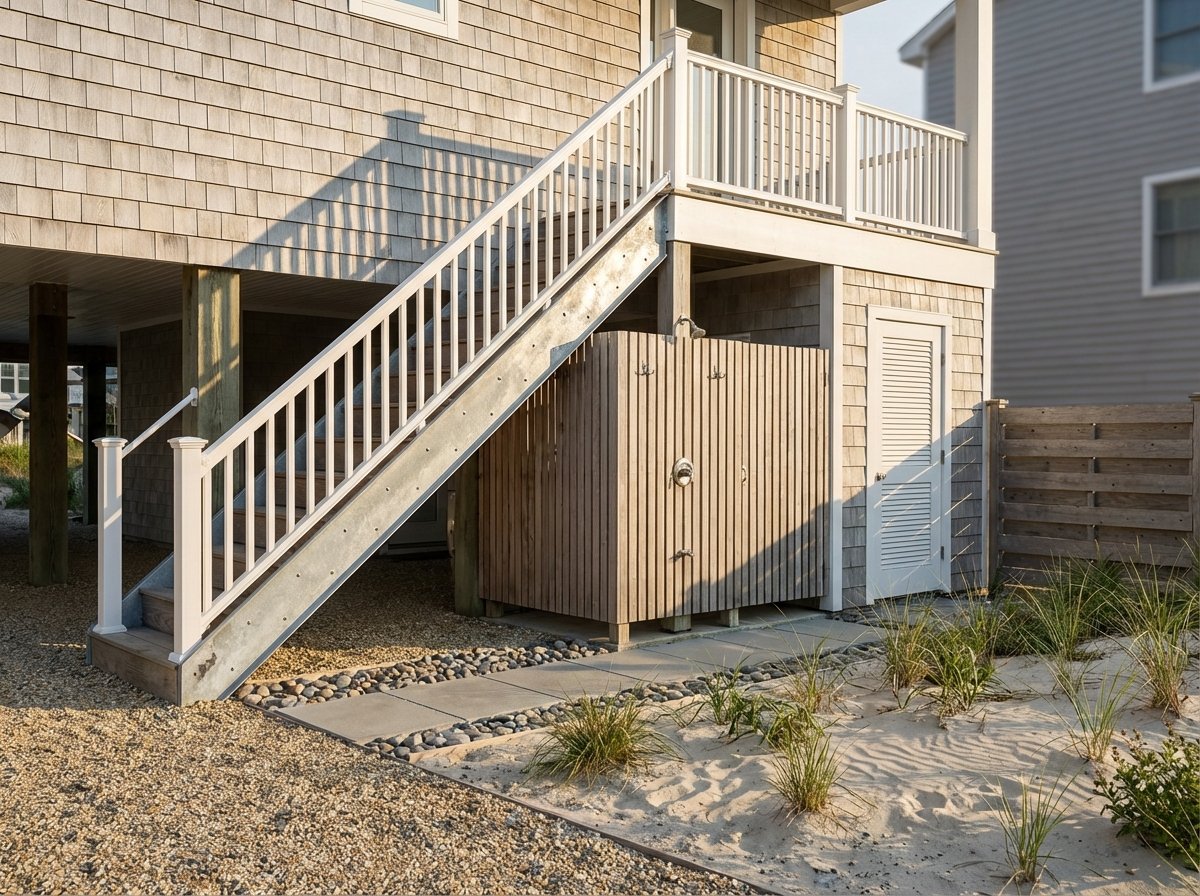
Salt air and wind accelerate exterior wear, so plan for frequent deck and railing inspections, more regular painting or staining, and hardware replacement. Pools and hot tubs require seasonal opening, closing, and service. Local guidance on OBX operations highlights these recurring needs, as seen in this maintenance overview for Hatteras property management. Many Avon homes use septic systems. The EPA recommends inspections every 1 to 3 years and pumping every 3 to 5 years for typical systems, detailed in the EPA’s septic system FAQs.
Pre‑purchase checklist for Avon buyers
Use this quick list as you evaluate properties in 27915:
- Confirm the flood zone and request an elevation certificate if needed. Start with FloodSmart.
- Get early quotes for homeowner’s, wind or hail, and NFIP flood coverage. Ask about Beach Plan or wind pool options using this North Carolina wind insurance resource.
- Request conservative 12‑month comps and pro formas from 2 to 3 local property managers, built from actual bookings and seasonality.
- Clarify who collects and remits taxes. Review Dare County occupancy tax rules and state sales and use rates.
- Inspect septic and HVAC, confirm roof and deck age, and budget for accelerated coastal maintenance. See the EPA’s septic guidance.
- Discuss owner weeks and calendar rules with managers. Ask to see a sample owner statement, payout schedule, and guest fee structure. Many of these details are outlined in local rental policies.
Is an Avon rental right for you?
If you want a true beach‑week market with high summer demand, a clear operations cadence, and a slower, locals‑first off‑season, Avon delivers. You trade a bit of logistical complexity for a home that can host your family and generate strong seasonal income. The keys are picking the right location and amenities, planning for taxes and insurance, and partnering with a manager who can execute in July.
If you want help selecting and underwriting the right Avon property, schedule a conversation with Levi Bennett. We can pressure‑test revenue assumptions, connect you with on‑island managers, and guide you from offer to first booking.
FAQs
How do taxes work on short‑term rentals in Avon, NC?
- Dare County charges a 6 percent occupancy tax and North Carolina’s combined state and county sales and use tax in Dare is 6.75 percent, which many listings present together as about 12.75 percent. Review Dare County’s rules and state rates, and confirm whether your manager remits for you.
What is the peak booking season for Avon rentals?
- Most bookings concentrate between Memorial Day and Labor Day, with shoulder demand in May and September and a softer winter. See the tourism board’s seasonal guidance.
Do I need flood insurance for a beach house in 27915?
- If your home sits in a mapped Special Flood Hazard Area and you have a mortgage, lenders usually require NFIP coverage. Start with FloodSmart and get quotes early.
What does full‑service property management include on Hatteras Island?
- Managers typically handle pricing, marketing, bookings, guest support, housekeeping, vendor dispatch, and accounting. Many outline weekly minimums and fees in their rental policies.
How much do vacation rental managers charge in OBX markets?
- Full‑service fees often fall between 15 and 35 percent of gross rent, with exact quotes based on home size, amenities, and service scope. See this overview of management fee ranges.
What maintenance should I budget for on a coastal home?
- Plan for frequent deck and railing checks, exterior paint or stain, pool and hot tub service, and routine septic inspections and pumping. Local guidance and the EPA septic FAQs cover common intervals.